
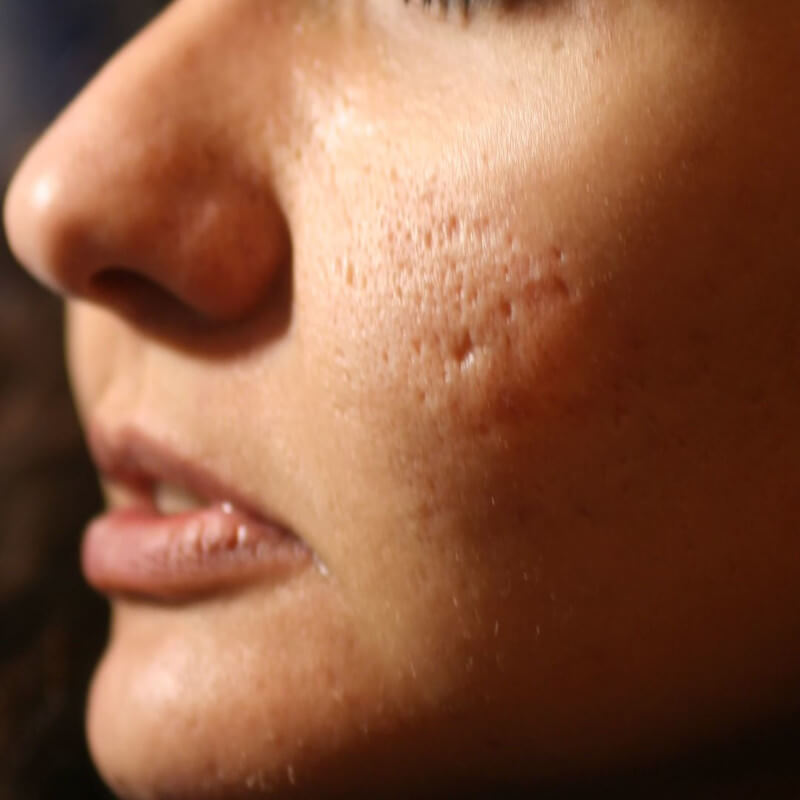
To get rid of scars from popping blackheads, it's best to avoid picking or squeezing blackheads and instead use gentle exfoliation and topical treatments to help reduce their appearance and prevent new blackheads from forming. Lets read treatment of blackhead scaring .
Skincare Guide
How to Get Rid of Scars From Popping Blackheads
The best way to deal with blackhead scarring is to avoid picking or squeezing blackheads in the first place, and instead rely on gentle exfoliation and targeted treatments. Here's a full breakdown of what actually works, from at-home habits to in-office procedures.
Why Popped Blackheads Leave Scars
Blackheads — technically called open comedones — form when hair follicles get clogged with oil and dead skin cells. Popping them often damages the surrounding skin and can trigger inflammation, which is exactly what leaves behind those stubborn dark marks or textured scars afterward.
Treatment Options for Blackhead Scarring
Exfoliation
Exfoliating regularly removes dead skin cells and helps keep pores clear, which can gradually soften the appearance of scarring. This can mean physical scrubs, chemical exfoliants, enzyme treatments, or simply a gentle cleansing brush or cloth.
Chemical Peels
Chemical peels use active acids to remove the outermost layer of dead skin and reveal fresher skin underneath. Common types include alpha-hydroxy acid (AHA), beta-hydroxy acid (BHA), and trichloroacetic acid (TCA) peels — typically performed by a dermatologist or licensed esthetician.
Microdermabrasion
This treatment uses fine crystals or a diamond-tip wand to gently remove the top layer of skin. It's typically done in-office and can help soften the look of surface-level scarring.
Laser Resurfacing
A more intensive option, laser resurfacing removes the top skin layer and stimulates collagen production underneath. It can meaningfully improve both scar appearance and overall skin texture, though it typically requires downtime and professional supervision.
Topical Creams
Prescription-strength topicals — such as retinoids, hydroquinone, or corticosteroids — can help calm inflammation and fade dark marks over time. These are generally most effective and safest when recommended and monitored by a dermatologist.
Prevention matters most: the best way to avoid blackhead scarring is to never pop them in the first place. A gentle exfoliant or a salicylic-acid cleanser helps keep pores clear, and daily moisturizer plus sunscreen reduces the risk of any existing marks darkening further.
Quick Recap: What Actually Helps
|
Exfoliation A gentle exfoliant or salicylic-acid cleanser helps unclog pores and gradually smooths marks. |
Chemical Peels Removes the top layer of dead skin to reveal fresher skin and soften scarring. |
|
Microdermabrasion Uses fine crystals or a diamond-tip wand to reduce the appearance of surface marks. |
Sunscreen Daily SPF 30+ prevents marks from darkening further with sun exposure. |
Give it time. Skin naturally heals and rejuvenates itself, and it can take weeks to months for marks to visibly fade — a dermatologist or esthetician can help you build the right treatment plan for your specific skin.
Natural Ways to Help Fade Blackhead Scars
- Exfoliation: Gently exfoliating with a scrub or an AHA product helps remove dead skin cells and improve texture over time.
- Vitamin C: A stabilized vitamin C serum, formulated for skin use, can help brighten and gradually fade dark marks.
- Aloe vera: Aloe vera gel can help soothe inflammation and support the skin's natural healing process.
- Honey: Honey has natural antibacterial properties and is sometimes used as a gentle, soothing spot treatment.
- Massage: Gently massaging the area with coconut oil or a scar-focused cream can support blood flow and gradually improve the look of a scar.
A note on DIY remedies: skip raw lemon juice as a spot treatment — its acidity can irritate the skin and make it more sensitive to sun damage, sometimes making dark marks worse rather than better. A proper vitamin C serum is a much safer way to get a similar brightening effect.
Understanding Depressed Acne Scars
Depressed (or "icepick") scars are deep, narrow scars that form after an acne lesion heals. They're often small, but their depth can make them more noticeable than other scar types since they cast a visible shadow on the skin.
|
Boxcar Scars Round or oval scars with sharp, defined edges — most common on the cheeks. |
Rolling Scars Wave-like texture caused by fibrous bands pulling the skin downward. |
Hypertrophic Scars Raised, often red or purple scars that can feel itchy or tender. |
A dermatologist or skincare professional is the best judge of which treatment fits your specific scars. Depending on severity, they may recommend topical retinoids, topical vitamin C, AHAs, laser therapy, or microneedling — and for more severe cases, procedures like punch excision or subcision, which involve releasing or removing scar tissue beneath the skin.
Frequently Asked Questions
Do blackhead scars go away on their own?
They often improve with time, but may not fully disappear without treatment. How much they fade depends on the scar's depth and the treatment used — some fade to barely visible, while others remain noticeable.
Do blackheads always scar when you pop them?
Not always, but the risk is real, especially with repeated picking. It's best to leave blackheads alone and use gentle exfoliation and topical treatments instead. If you have a lot of blackheads, it's worth seeing a dermatologist for a proper plan.
Why do blackheads leave marks in the first place?
When clogged pores become inflamed, they can turn into red, swollen bumps — and once that inflammation resolves, it can leave behind a dark mark or a textured scar.
The Bottom Line
Blackhead scarring responds well to a combination of consistent exfoliation, professional treatments like chemical peels or microdermabrasion, and — for deeper scars — more advanced options like laser resurfacing. A dermatologist or esthetician can help you build the right plan for your skin. But the simplest, most effective step of all is prevention: resist the urge to pop, and let gentle skincare do the work instead.
This article is for general information only and isn't a substitute for professional medical advice. Prescription treatments (like hydroquinone, corticosteroids, or prescription-strength retinoids) and procedures (like laser resurfacing, microneedling, punch excision, or subcision) should only be used under the guidance of a licensed dermatologist. If you have severe or persistent scarring, or notice signs of infection, please consult a doctor rather than relying on home treatment alone.


0 Comments